
Daily Episodes
- Too Smart – Tuesday, 3/17/26
- Remember – Monday, 3/16/26
- The King Servant – Sunday, 3/15/26
- Helpers Helped – Sabbath, 3/14/26
- Investment Advice – Friday, 3/13/26
- Adequate Oil? – Thursday, 3/12/26
- Which Day? – Wednesday, 3/11/26
- Refusing to See Jesus – Tuesday, 3/10/26
- We Would See Jesus – Monday, 3/9/26
- Woe – Sunday, 3/8/26
- An Earnest Seeker – Sabbath, 3/7/26
- Trappers Trapped – Friday, 3/6/26
- Warnings Unheeded – Thursday, 3/5/26
- The Second Temple Cleansing – Wednesday, 3/4/26
- The Triumphal Entry – Tuesday, 3/3/26
- Simon’s Feast – Monday, 3/2/26
Too Smart
Matt 10:4; 26:14,25; Mark 3:19; 14:10; Luke 6:16; 22:3; John 6:71; 12:4; 13:2, 11, 26, 29; 17:12
Aired Tuesday, March 17, 2026
Context
Judas Iscariot always mentioned last in lists of the twelve in Matt, Mark and Luke
The eleven looked up to Judas
Christ demonstrated that even when He knows the future, He will do everything in his power to redeem
All twelve had massive character flaws
Judas loved power, money and himself more than what Christ had to offer
Judas considered himself to be far wiser than others
Judas cherished unbelief
As Christ tries to teach, lead, train the Disciples, Judas is subtly oppositional and twists concepts and confuses the others
Judas is a thief
Self-sufficiency prevented Judas from falling on the Rock and being broken to receive the gifts of God
Themes
Pride, self-esteem, self-sufficiency prevent the Gospel from doing its work in the heart/mind
A refusal to accept reprove left him open to progressive attacks by the enemy and then under the ultimate control of the enemy
Judas was given the privilege to be the treasurer but he abused this honor and was a thief
Even being in the immediate presence of Christ couldn’t dissuade Judas from distancing himself more and more from Christ
Christ’s patience and comprehensive efforts to save Judas are rejected and as separation from Christ takes place, he sinks lower and lower until he irreversibly destroys himself
Narrative
Judas = Praise. Iscariot is a town but the term is uncertain. Judas’ outward appearance makes him appealing to the 11, but Christ sees the heart and Christ makes references to Judas being a betrayer and a devil. Christ doesn’t shun him or strip him of responsibility, rather he places him in positions where Judas might come to an awareness of the corruption in his mind and heart. By example, Christ makes every effort to lift up Judas and expose his need for a Savior. While there were times when Judas was reflective and considered the appeal of Jesus, doubt, self-sufficiency, self-exaltation and relentless ambition overrode these brief moments of truth. So confident was he in his wisdom, that he couldn’t learn and instead tried to be a teacher to the others.
Jealousy against James, John and Peter being at the Mt. of Transfiguration made him irritable and this worsened with Christ refusing to allow the crowd to make Him king after feeding the 5000. He further hardened himself to Christ with intolerance over Mary washing Christ’s feet at Simon’s Feast and it was at this time he decided to betray Christ. The final act that Judas could not accept was Christ humbling Himself to wash their feet. To Judas, this was entirely inconsistent with kingship and Judas was committed to an earthly kingdom with power, rigid authoritarianism and pride. A devious plot was forming in Judas mind. He would betray Christ and this would force Christ to escape and declare His kingship. Judas could then take credit for setting things up and would be given the high honor of position in this imagined fancy new kingdom. If Christ didn’t escape, then Christ couldn’t be the Messiah anyway and Judas would be recognized for exposing the claim by Christ to be the Messiah. At the last supper, Christ offers Judas the “sop” which was a high honor and was an overture of friendship. Judas was then revealed to be the betrayer. Judas immediately separated himself from the presence of Christ and Satan entered fully into Judas and “…it was night..” John 13:27,30
What can I learn from the unfortunate story of Judas?
Has Christ revealed plague spots in my character that I persistently cling to and refuse Christ’s remedy?
Do I admire people for their exterior and give them inordinate influence in my life?
Have I studied the inner workings of Christ and how He approached people and seen the contrast with how I interact with others?
Have I reflected on my chain of decisions and where it is leading me to?
Have I practiced Philippians 2:3 “Let nothing be done through selfishness or conceit, but with humility consider others as more important than one’s self.”
Christ’s way leads to peace, joy and love. The enemy’s way leads to bitterness, hopelessness and destruction, what will I choose, while there’s still the opportunity to choose?
Remember
Matt 26:26-29; Mark 14:22-25; Luke 22:17-20
Aired Monday, March 16, 2026
Context
Supper following Christ washing their feet
The unfermented grape juice and bread become symbols of how Christ saves
The Remembrance supper is instituted because we are so prone to forget
The Lord’s Supper is a clarion call to Christ’s Second Coming
The Lord’s supper is not a time for recalling shortcomings, differences among our community, nor is it a time for confession of sin; rather it is a time for standing in what the Cross will accomplish – healing, restoration, reconciliation, life and light – “looking unto Jesus, the Author and Finisher of faith….”
Everything we have, every experience, all life, all hope, each blessing – all flows from the events that this Remembrance of His action on our behalf
Themes
Look & Live
“The Life is in the blood” Leviticus 17:11
Eating and drinking are symbols of ingesting, digesting and rejoicing in God’s Word which became flesh and dwelt among us
As our bodies obtain life, strength and exuberance by what we eat, our spiritual life comes from the Life blood that was shed for our remission of sin and the resurrection of Christ with His supplying us with His body and blood
By beholding The Lamb of God, “…we become changed into the same image from glory to glory, by the Spirit of the LORD.” 2 Cor 3:18
Remember vs forget
God’s loyal, merciful, committed loving-kindness is made clearly apparent in the Son of Adam being lifted up as our remedy
Christ establishes the transition from Passover to the ordinance of the Lord’s Supper
Narrative
Dinner is ready. Christ and His Disciples are arranged in a reclined position on couches around the table. Each one is leaning on their Left arm and using the Right to eat. Christ’s countenance is troubled and each of the Disciples feels an unexplainable dread. Christ blesses and then breaks the unleavened bread and says, “Take, eat, this is My body” and passes it to each of the twelve. Christ then took the cup and gave thanks and then passed it to each of them, saying “Drink from it all of you, For this is My blood of the new covenant, which is shed for many for the remission of sins. He then states a Nazarite vow and commits to foregoing drinking of the fruit of the vine until God’s people have been brought into My Father’s kingdom.
Dinner is interrupted by the pronouncement by Christ that one of the twelve will betray Him. Each one searches himself to see if there is any risk of their being this betrayer and asks, “Lord is it I?”, except one. After a considerable hum of distressed voices, John asks, “Lord, who is it?” There is a pregnant pause as Judas suddenly becomes aware that he hasn’t asked, “Lord is it I?” Attempting to hide his guilt, he mechanically pronounces the line, “Master, is it I?” To his astonishment and to the utter shock and amazement of the 11, Christ mournfully exposes Judas and states, “Thou hast said.” Judas quickly exits.
We don’t get much more from the gospels about that supper, but we get perspective from John 6: 53-58 and the most clear instruction comes from Paul in 1 Cor 11:20-38 as he edifies the Corinthian church in how to experience the Lord’s Supper. The Passover was instituted to prepare and commemorate the exodus of bondage from Egypt. This was meant to symbolize liberation from the enslavement of the Pharaoh. An extended, complex journey through wild, frightening and austere country would follow. This meal was eaten standing up with shoes on and bags packed. Now as the Passover Lamb was about to be slain, Christ was instituting a new way to prevent His people from forgetting His liberating them from unbelief, selfishness and the second death. His people still have a journey through rough times and tough country, but as Paul stated in Acts 17:28 “For in Him we live, move and exist…” Christ’s life, death, resurrection and mediation are the only reason we exist and have the opportunity to come into a union with Christ and in uniting with Christ, we are uniting to the Father. All of this is just preparation to let Him live His life in us and make us safe to save. Remembering this Last Supper keeps us keenly aware of God emptying heaven on our behalf to have just the chance for us to say, “yes” to His great invitation.
We shouldn’t exclude people that desire to be a part of this Last Supper from participating unless they are openly rebellious and hostile to God’s plan of redemption. We should educate those who participate that there is a solemnity to meeting with a Holy God and we should outline the plan of redemption as is spelled out in the Last Supper so that there can be a greater appreciation of its symbolism. We have heard “New Testament” so many times that it is cliche’ now, but in the original language it connotes a “freshened covenant”. The Last Supper should never lose its freshness. The everlasting covenant is that Christ, through His Spirit, will write His character on our hearts & minds as we engage in commemorating the plan of redemption. We can find relief from our maladies by embracing the love and faith that shines out through the emblems of the Last Supper. Engaging in this commemoration will give us an incredibly optimistic outlook for, “…He is able to save to the uttermost those who come to God through Him.”
What would happen if we deeply pondered the Last Supper on a regular basis and studied is message?
What does a Nazarite vow entail and why would Christ start this commitment the night before His crucifixion?
Has the connection between the Last Supper and the Second Coming been clear in our minds?
How should we participate in the Last Supper so that it is fresh and that we can clearly see His everlasting covenant?
Have I seen His cross stamped on the loaf of bread that I eat, and have I considered His sacrifice in a glass of unfermented juice of the grape, and every other thing that sustains and refreshes me?
How can we be certain that the grape juice was unfermented?
Have I rejoiced in the great goodness of God in giving His Son to us, forever, that we could be rescued from the destroyer?
The King Servant
Matt 26:20; Mark 14:17; Luke 22:14-16; John 13:1-17
Aired Sunday, March 15, 2026
Context
Thursday
Preparation for Passover
The Lamb is keenly aware that the He will be sacrificed the next day
Primary concern is the Disciples as these events will be devastating
Christ normally pleasant countenance is burdened and there is unease amongst His Disciples
Disciples are struggling for supremacy as they think an earthly kingdom is imminent
James & John have petitioned Christ through their mother to have the 2nd and 3rd positions of this fancied kingdom
The others are extremely jealous, most notably Judas
Judas has met twice with the Religious Leaders to arrange the betrayal of Christ
Christ is anxious to teach His Disciples what true greatness involves
Themes
Greatness
Service
Humility
Heaven vs earth
Unity vs strife
Foot washing essential preparation for Passover which will transition to Communion after the Crucifixion
True Love’s activity
Physical washing and Spiritual washing
Narrative
Jerusalem is packed with visitors who have come for the Passover and there is a special sense that something big is about to happen. What likelihood would there be of finding a place for 13 people to have an evening meal? Christ bids Peter and John to go into Jerusalem and then gives them very specific details about how to find the person who will provide them an upper room for their pre-Passover dinner since the Crucifixion will prevent the Passover dinner on Friday. Things work exactly as Christ has described. That evening, the burdened countenance of the Master is worrying the Disciples and they know that they are responsible for at least a portion of His distress as they have been bickering openly and lobbying for positions in the distorted imagination they have of Christ setting up an earthly kingdom. This upper room is furnished and everything is exactly as it should be for the evening meal, except one thing, no one is there to wash their feet. They tensely ignore this glaring omission and Christ waits for their anxiety to register so that this lesson will not be forgotten. Then, Christ lays aside His outer coat and puts on the servants towel and starting with Judas, goes around the circle washing His Disciples feet. Christ could have rebuked their selfishness, but a far more effective manner to teach them was by His example. Peter protests vehemently as his cognitive dissonance refuses to see Christ in the position of a lowly servant doing the most humbling task. For Judas, this act of Jesus was offensive and destroyed any hope he had of worldly honor and a temporal kingdom. Peter tries to prescribe his foot washing to the Christ after being informed that without this, he won’t have any part with Christ. Pride and self-will in Peter finally submit to the foot washing that Christ is offering. The work of Christ over the 3 + years has been washing the Disciples, and it wasn’t necessary for Christ to start over. Just washing the dirty feet was what was needed at that time for all except Judas who has persisted in rejecting the humble actions of Christ. His haughty, arrogant and proud spirit has hardened him to the point where he misses yet another opportunity for repentance and confession. The effect on the 11 was washing away jealousy, ambition, alienation and pride. They became humble and teachable and could now listen and receive Christ’s instructions. Rather than denigrating Christ’s dignity, He was elevated and showed that the greatest thing leaders can do is provide humble acts of service to those they lead and this lesson was essential to those who would lead His new Church.
Many congregations and denominations don’t include foot washing in their Remembrance of the Lord’s Supper, but foot washing prior to the Lord’s Supper is the catalyst so needed to bring us out of our self-centeredness and will facilitate loving service to one another. It is an opportunity to remember our Savior’s service and position us at the foot of His cross, pleading for His character to spread through us to our neighbor and to unite us under the banner of His love and His headship. Foot washing is the perfect venue to “…confess our faults to one another and pray for one another, that we may be healed…” James 5:16. Matthew 20:27,28 states that: “…whoever wishes to be first among you, let him be your servant, even as the Son of Adam did not come to be served, but to serve and to give His life as a ransom for many.”
To what lengths will Christ go to teach us the essence of greatness?
What can be done to avoid falling into formalism and ritual when participating in the Lord’s Supper?
What will prepare our hearts to receive Christ’s instructions?
Have you participated in a foot washing ceremony and if not, would you consider seeking out a congregation where this is integral to the Lord’s Supper?
More important than washing someone’s feet, could we use this time to unobtrusively confess our faults to one another and pray for one another?
Will we acknowledge, no matter how filthy we feel, that Christ has been washing us and that He doesn’t need to start over, but we can experience that Spiritual washing by submitting to His prescribed washing.
Will we grasp the full blessing of being sent for acts of service, whole heartedly doing whatever God wants, however He wishes, at whatever time, to whomever He pleases?
Helpers Helped
Matt 25:31-46
Aired Sabbath, March 14, 2026
Context
Wednesday
Last of 3 stories related by Matthew of Jesus answer to the question “…when is the end of the age and what will be the signs of Your coming…”
Parallel of closing scenes of Jerusalem and ‘end of the age’
The thing that determines whether there is the favor or curse of God is how have individuals exhibited compassion & benevolence to the vulnerable
Themes
Judgment
Right vs Left
Sheep vs Goats
Actions done without awareness of having done them to Messiah
Narrative
The Instructor focuses on the criteria with which people choose to be under the infinite blessing and favor of God vs eternal disfavor. Using the title, “Son of man (Adam)” to give context to His lowering of Himself to be born in our flesh and to carry out His benevolent mission of ministering to His sin-sickened creation; and persisting forever to bear our likeness as our infinite and eternal “Elder Brother” and Friend; He clarifies the grand conclusion of the Great Controversy.
Rather than focusing on His own activity to reach the down-trodden and hopeless, Christ turns the attention to what happens to the individual who understands His work on their behalf and in gratitude and joyful thanksgiving, respond in a similar fashion. True Disciples are motivated not by reward but carry out these benevolent acts to those around them unaware that Christ considers these activities as if they have been done to Himself. These true Disciples understand who Christ is and have embraced and adopted the principles of the kingdom of heaven. True disciples are not confined to one cultural or geographical location but are dispersed throughout the nations as points of light in darkening world of selfishness, greed, hostility and intolerance.
This group of false disciples don’t have an understanding of Christ or the principles of heaven and are unaware that their actions against the poor, vulnerable & hopeless are cataloged as if they have been done personally to Christ Himself. The group on the Left and the group on the Right both have the same question: “…when did we see You hungry, or thirsty or naked or sick or a stranger or naked or sick or in prison…?” The answer comes back to both groups: “…in so far as you did it to one of the least of these My brothers, you did it to Me…”
The lives we live, the inherited and cultivated tendencies, our time spent grabbing blessing or giving blessing tells the tale of where our heart is. The greatest commandment is two-fold, love God with everything and love each other with the love God gives us. Each of us is experiencing the gifts and blessings of God. Is God abundant enough, merciful enough and does He care enough about each one of us to allow us to be generous to one another? He numbers the hairs of our head He keeps track of seemingly insignificant sparrows and are we not more important to God than sparrows; therefore we are invited into bold generosity (Luke 12:6,7).
What benefit is self-centeredness and selfishness and how will it impact this life and the life to come?
Have I seen Christ in the faces of my neighbors, the homeless and my enemies?
Have I experienced the love of God in a way that generates generosity?
What/Who sustains me and makes it possible to accomplish the life worth living?
What can be compared to the gain or loss of just one person, in my eyes vs in God’s eyes
Investment Advice
Matt 25:14-30
Aired Friday, March 13, 2026
Context
Wednesday
Mt of Olives
Answering the question “.when will the end of the age be, and what will be the signs of Your coming?”
Triad of stories to illustrate the answer
Critical last opportunity for Christ to convey deep principles of the Kingdom of Heaven
Themes
What should the people of God do while waiting for His return?
Taking the gifts and increasing their value for the King
Knowing the Master and responding in likeness
Profitability
The abundance of God
Narrative
The Kingdom of Heaven is likened to a company owner who left his assets to be managed by employees and then traveled far away. Each employee was given a different amount with the expectation that with what they have been given charge of, they will be astute businessmen and make a profit that will bring the company owner joy when he returns. Two of the three employees double the value of what they have been put in charge of, but one considers his boss severe, harsh and is fearful of losing the amount given and is unwilling to even make the most conservative effort of placing this money in a bank to passively gain a nominal interest. Instead of investing, this employee buries the money. When the boss returns, he rejoices with the employees who doubled the money they have been placed in charge of and they are given more responsibility and commended. The employee who buried the money is charged with being unprofitable and is thrown out of the company.
Christ is giving a vivid and compelling lesson on who the Father is and what the people of God can do with the resources that He has placed them in charge of. Everything is His. He created all things and by Him, all things exist. Intellect, health, wealth, influence, communication tools, children, time and strength are all His and we need to remind ourselves that nothing is ours. It is all on loan from Him. This planet and people were stolen from Christ by the deceiver, but Christ fought for our recovery and has redeemed all things unto Himself. Even those who refuse to take advantage of His redemption have been given blessings in this life, but by believing, blessings, now and eternally are God’s will. We can and should improve on the generous gifts of God for the benefit of Christ and our Father. Our understanding of who God is, equips us to make more of what we have been given responsibility over. Seeing the faithfulness of God and knowing of His love and mercy is essential to boldness and the improvement of His gifts for His benefit. Our highest joy and greatest satisfaction will be derived from service for God. The employee that stated that his boss was a “hard man” made a gross, egregious error. This spoiled the employee’s ability to take the resource and invest it. The two employees who double the investment of their boss’s resource understood the abundance of God and His Spirit’s ability to guide and direct their investment strategy for God’s glory. The apostle Paul in 2 Corinthians 4:13-15 stated his reasons for committing effort to build up the church this way: “But having the same spirit of belief, according to what has been written, “I believed, therefore I spoke,” we also believe, therefore we also speak, knowing that He who raised up the Master Jehovah shall also raise us up through Jehovah, and shall present us with you. Far all this is for your sake, so that favor , having spread through the many, would cause thanksgiving to overflow, unto the esteem of God.” Just as surely as there are mansions in heaven that have been prepared for the redeemed, God has a plan for each one to have the blessed experience of being productive here on earth, making more, for God and blessing those around us. We have been liberated from self and selfishness and equipped by the Spirit, to be a channel of God’s love and mercy to others. The most impoverished and untalented can be a fount of blessing to others by God’s great grace. Like any successful work, this isn’t easy. There’s struggle, failure, redoubling of effort and persistence, but God attends each and every effort and builds up our character and enhances our ability to do work for Him. We may not see and appreciate what He has accomplished in us until that great day of His Son’s second coming, but He is with us and facilitating every area of growth and service. Be bold and expect great things as you commit to surrendering all things to the Master for His good pleasure.
Ask not what is missing from God’s gifts to you, but rather ask what gifts you already possess to do service for Him
Who is God and how shall I get to know who He is, rather than believe the lies of the enemy?
How can I be more aware of what investment opportunities God has placed before me?
Have I let failure deter my enthusiasm and commitment to accomplishing great things for God?
Have I tried to God’s work my way and avoided deep surrender to His will and sought His will in prayer?
Am I convinced of His promises to the humble, that He will never fail? See Psalms 89:33; Proverbs 3:5,6,9,10
Adequate Oil?
Matt 25:1-13
Aired Thursday, March 12, 2026
Context
Its after dark on Wednesday (by Jewish reckoning, this would be Thursday as a day is from sundown to sundown)
From the Mount of Olives looking down, there was the beginnings of a traditional Jewish marriage ceremony
The Disciples are attentive listeners as they are anxious about the ‘End of the Age’ and the coming of Christ the second time
Using a story, Christ is conveying deep principles using a familiar cultural wedding ceremony to clarify the preparation and activity of those that are ready for the Great Day/judgment and Christ’s Second Coming
Themes
Knowing God through Christ
Preparation for the Second Coming
Wedding/union
Faith while waiting
Activity of the guests of the wedding party
Holy Spirit
Light
Love
Narrative
In the quiet retreat of the Mount of Olives, Christ is continuing to answer the Disciples questions: “…when shall these things be and what will be the sign of Your coming and the end of the age?” Down below, there is a bride’s house with expectant guests awaiting the bridegroom who will come to retrieve his bride from her father’s house and take her back to his father’s house. A happy throng of guests by torchlight will make up the procession. Upon arrival, a wedding supper is held for the bridal party and the guests.
The bride’s house is bathed in light. Ten young ladies in white linen await the bridegroom. But, there is a delay and the guests tire and all fall asleep. At midnight, there is a cry, “Behold the bridegroom comes; go out to meet him.” The bridal party comes to life with song and light as the lamps are trimmed and the procession is readied. Five young ladies have a startling distress. They haven’t adequate oil to go with the bridal party. They plead for oil from the other five ladies, but there isn’t enough for the wise to give to those who poorly planned for this delay. The five who are in lack leave the wedding party seeking oil, but where do you buy oil in the middle of the night? Somehow these five ladies make their way to the wedding supper, but the door is closed. These five ladies plead for the door to be open, but the master of the party declines opening the door to them on the grounds that he doesn’t know who they are. The story’s principle is summarized as “watch” because you don’t know when the Son of Man is coming.
This story is an analogy of the time prior Christ’s second coming. The church has two groups of people in it that don’t appear to have differences. They all profess purity in faith and truth. One group is unwise and unprepared. They have a superficial experience in the things of God. They have studied God’s Word and they have admired those who have a deep experience, they have promoted the truth, but they haven’t surrendered and permitted the Holy Spirit to make the Word active within their lives. The unwise are like the stony-ground in the parable of the Sower. Heavenly principles haven’t lodged deeply in their hearts and minds. They haven’t a keen understanding of their true condition and their deep need for the transforming love and grace of God. They haven’t fallen on The Rock and been broken. Their service to God is formal rather than borne out of praise, love and conviction.
All the young ladies have responded to the invitation, they all have lamps and all profess loving service to God, but when the call comes, “…go out to meet Him…”, the unwise are surprised, distressed and unready. It isn’t selfishness that prevents the wise from giving oil to the unwise. How do give someone years of deep heart-felt experience in an instant? Being enamored with a musical instrument and knowing a great deal about music and even knowing a great deal of theory about that instrument, won’t make one capable of playing the instrument. Without engaging practice, one will never be able to play. Pleading with an expert for them to give their experience as a musician can’t been done in an instant. Engaging struggle, wrestling, time and persistence are essential to being a proficient musician.
The light that the Bridegroom desires the guests to have in this time of darkness, when love waxes cold, is practical, loving and engaging for those who have lost hope, who need the Word of God, who need to hear that there is an all-loving, forgiving God. Isaiah 44:3,4 promises “For I pour water upon the thirsty, and floods upon the dry ground: I pour My Spirit upon your seed, and My blessing upon your offspring, and they shall spring up among the grass like willows by streams of water.” Through the Holy Spirit, the light and love of God are poured out upon the penitent, the humble and those who desperately seek the His blessing. This is what it means to be wise. John 6:29 “…This is the work of God, that you believe in Him whom He sent.” True disciples have the true religion of Christ. These true disciples have not only fully experienced forgiveness, but they have surrendered to the transforming grace of the Holy Spirit and these disciples will be light bearers in their benevolent actions by the Holy Spirit’s exercise in their life. Christ is their constant companion.
What is my true condition?
Does the Word of God embed itself in my life through the activity of the Holy Spirit?
How self-concerned am I when there is a need?
Is Christ the only explanation for all my thoughts and activities?
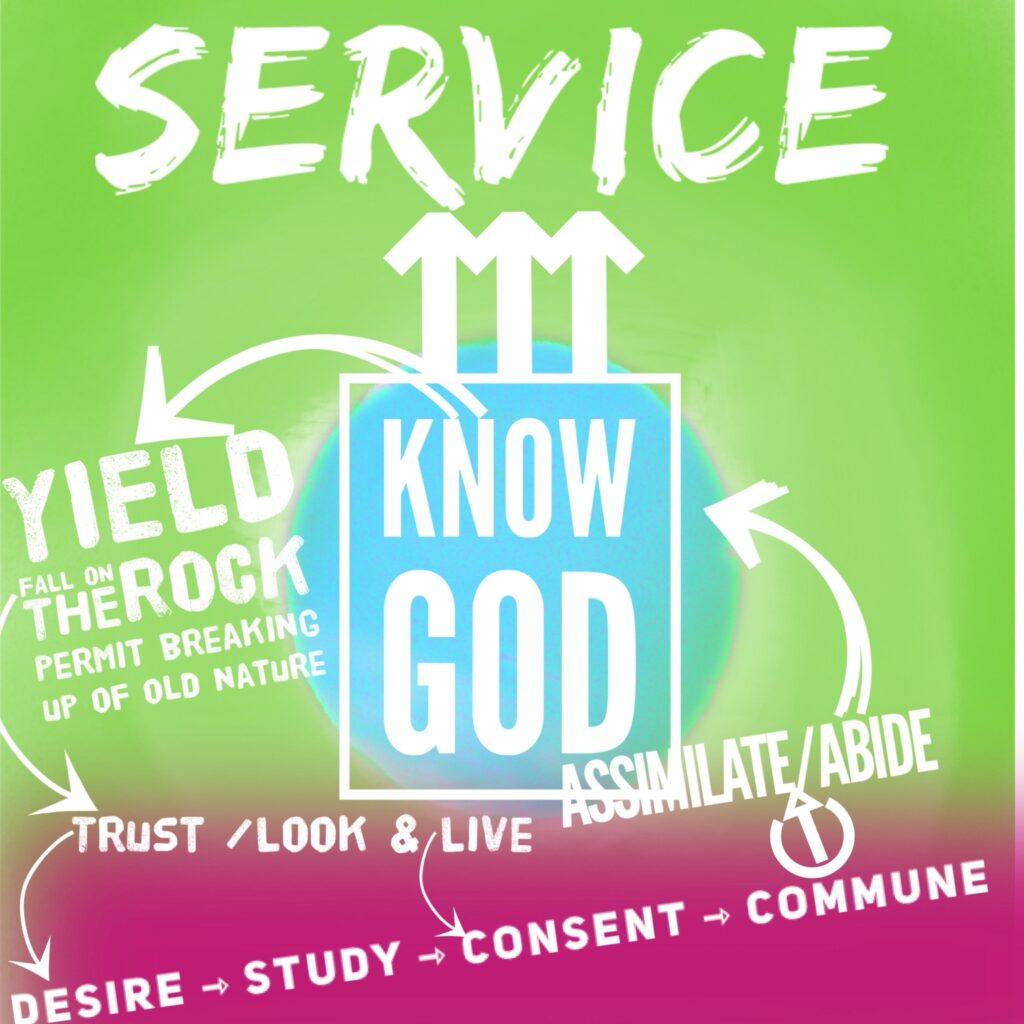
Is The Rock a stumbling and an offense or will we fall on The Rock and be broken
How will we respond to Hosea 6:1 “Come, and let us turn back to the LORD. For He has torn but He does heal us, He has stricken but He binds us up.”
Which Day?
Matt 24; Mark 13; Luke 21:5-38
Aired Wednesday, March 11, 2026
Context
Wednesday
Departing the Temple
Sunset and it appeared as if hewn out of 1 piece of marble
Disciples and others behold the spectacle but Christ sees something very different
Privately on the Mount of Olives later, disciples request clarity on the topic of the End
Instruction given by Christ is vague with regards to which Day
Themes
The things that seem secure, sure, stable may fall apart in an instant
Christ alone is the foundation
Mercy reveals enough to inform but not so much to overwhelm
Watch & pray
False messiah vs The Messiah
You won’t know the day or hour, but you should be alert and sense the season
Narrative
Christ has left the temple on Wednesday. The sun is setting and the Temple is magnificent and there is a pause where Christ, the disciples and those surrounding them turn to see the spectacle. Christ states that one day, “…there shall not be even a stone upon a stone that shall not be thrown down.” Matt 24:2
Later the disciples and Christ are on the Mount of Olives. These moments are essential opportunities to instruct and prepare the Disciples for things to come. The Disciples open with the question, “…when shall these things be and what shall be the sign of Your Coming, and the completion of the age?” Matt 24:3
In mercy, Christ mixes the destruction of the object of their pride, stability, security and worship – the Temple, with His 2nd coming and that great Day (yom) of judgment. The Disciples hearts would have failed at the woes to come. Rather than revealing all things, He was intentionally vague, but clear enough to prepare them for the destruction of the Temple in AD 70. James, the brother of Jesus, would be martyred prior to AD 70, but the majority would be alive. Further clarification of details regarding His Second Coming were mixed in with the destruction of Jerusalem, for them and for us, lest we become complacent, deceived or lose faith and hope in His completing the work of “…creating all things new.” His first focus is, “…Be on your guard, so that no one deceives you.”
Expect persecution if you are exemplifying truth and encouraging the same in others. Why? Strife isn’t caused by the gospel, but the result of opposition to the gospel.
The Father alone knows the Day and Hour of the Second Coming, so don’t let “time-setting” get you excited only to suffer subsequent disappointment when the predictions of false prophets fail, but you should know the Season. Pray that your flight from the cities is not on the Sabbath and that you don’t have toddlers with all the attention and challenge they bring in the midst of crisis. Watch, work and pray that the time is used efficiently to make others aware of the shortness of our earthly lives which pass like vapor. Instead, grasp the eternal and forever stable, our Messiah, and His accomplishments and ongoing work on our behalf. Be ready!
What should we be doing now?
What have we set our sights on for stability, security and salvation?
Why did and why do/will conditions deteriorate in the time prior to the destruction of Jerusalem and in a parallel way, the world prior to Christ’s Second Coming?
How will we fortify our minds so that we aren’t deceived by the false messiahs?
We are told that not a single Christian lost their life in the destruction of Jerusalem, because they knew the signs of when to leave. Will we know the signs to leave the large cities prior to the Second Coming?
Refusing to See Jesus
John 12:34-50
Aired Tuesday, March 10, 2026
Context
Last event on Wednesday
Being familiar with truth in a superficial manner, blinds
Tradition/limited understanding held rigidly prevents growth
This is Christ’s last record of a public appearance prior to His trial
What will be the choice of those in the valley of decision?
What evidence is available to controvert the opposers of truth to align with the Truth, the Life and the Way?
Themes
Man’s limited understanding of truth should lead to confession not a denial of truth
An imbalanced interpretation of Scripture, if persisted in, may prevent one’s understanding when additional light comes
Christ’s sudden departure foretells of a more devastating departure in the presence of persistent unbelief
Narrative
Wednesday is nearly over and for those in the valley of decision, it is a critical time. Christ makes the last public plea prior to the Crucifixion. The stakes are high, eternal and solemn. Many have steadfastly refused the blatant evidence of His divinity. For them, the pleading of Christ falls on their deaf ears and His works are not seen because of blind eyes. The Hebrew Scriptures pointed out the eternal nature of Messiah, and the Scribes had fastened on these passages, but ignored the passages that spoke of a suffering Messiah who would give up His life. Some thought that there would be two Messiahs. One that would live forever and the other that would die. Now with this clear pronouncement of Christ speaking about His death, they furthered their obstinacy by stating their misunderstanding that the death of Christ would negate His Messiahship. His death and resurrection are essential to qualify Him to be a Savior that can. Unfortunately, they clung to the little they thought they knew and declared that Christ could not be the Messiah. Their darkened, unbelieving minds, remained in the dark when the Light was in their midst.
The apostle John points to their massive failure to understand Isaiah 53:1 and Isaiah 6:10 as a root cause for their unwillingness to trust Him with their lives and walk in the light. Sin requires the death of the sinner and the only remedy is a divine Life sacrifice. This doesn’t relieve the sinner of this consequence, unless the sinner dies with Christ and is resurrected with Him as a member of His body. It is easy to say, “I trust/believe God when times are easy, but it is a much more daunting exercise to calmly trust “…in the valley of the shadow of death.” So lest we be critical of those people in that day, we must honestly look at our willingness to trust Christ with everything, including our lives and our families lives – in every aspect of life.
Christ’s mission was to reveal the Father and personally invite us to come into clarity on the Father by observing Christ and His activities. He did not come to be a judge; however, His Life does require us to be a judge, and our conclusions will also be our judgment. Christ didn’t blind their eyes nor make them deaf, but like Pharaoh, exposure to truth will either harden us or soften us. The same sun that bakes the clay, softens the butter. The critical assessment is “What think ye of Christ”. To know Him will lead to confidence/trust in Him. Popular opinion or the opinion of others is a poor index of truth. We are saved as individuals and we must come to a decision on our own, surrendering to the prompting of the Holy Spirit.
Christ gave a clear object lesson by suddenly departing from them. Indecision may paralyze and have just as deadly an effect as an outright rejection of Him. The prophet Isaiah 55:6,7 stated our opportunity this way: “Seek the LORD while He may be found, call upon Him while He is near: Let the wicked forsake his way, and the unrighteous man his thoughts: and let him return unto the LORD, and He will have mercy upon him; and to our God, for He will abundantly pardon.
What Scriptures do we have unbalanced interpretations of?
What traditions have we held onto rather than coming into the Light?
What peer pressures are around us that prevent us from walking in the Light?
Have we persisted in slavery “…through fear of death”? Hebrews 2:15
Have I become adequately acquainted with the Father by a study of, reflection and cooperation with the Life of Christ?
What will my choice be? Today, Tomorrow and forever? Good times or bad times?
We Would See Jesus
John 12:20-33
Aired Monday, March 9, 2026
Context
Late Wednesday
It is clear that most Religious Leaders will persist in rejecting Christ
Deep grief is experienced by Christ and the Disciples
Non-Israelites present and request a personal interview with Christ through Philip
The fence of separation forbids non-Jews from entering the Temple’s closer areas of the courtyard
Philip consults Andrew and together they approach Christ
A lengthy interview follows with the Greeks and then the exclamation mark on the end is made by God communicating with His Son
Themes
Mission
Sacrifice
Separation Struggle
Mysterious farewell
Rejectors vs acceptors
Cost of discipleship
The Seed- unduplicatable Firstborn from the dead
Narrative
Much has happened Wednesday snd its now getting late in the day. Christ is in the courtyard of the Temple interacting, teaching healing those who will allow it and it’s quite clear that those who should be first in recognizing His Mission and Messiahship are outright and obstinately rejecting Him. Unimaginable grief weighs heavy on Him as He considers silently the consequences of this rejection. The separation from His Father that is soon to come and His being made as it were sin, is tearing at Him as well. This great Sacrifice, would any grasp its significance and grasp this great Gift and apply it? His thoughts are interrupted by Philip & Andrew. A group of Greeks have made a request to Philip for a personal interview with Christ. This is a welcome change from those who are persistently rejecting His grace. He sees the far-reaching impact of His Sacrifice and how this will breakdown the wall of separation and reconcile God and man and man with man. Earlier a single scribe had earnestly asked questions, now a whole group of earnest seekers have come to inquire, embrace and take full privilege of this Gift of His peace. These Greeks are better listeners and wiser than their non-Israelite colleagues and thirstily listen to the object lesson of The Seed, the best, being buried and lost sight of for a time, only to burst forth from the dirt with life and many more seeds. Even they won’t understand that day, but it will be clear on resurrection day and even more clear as the early church grows. These non-Israelites are given the high honor of eavesdropping on the 3rd affirmation of the Father to the Son, while those who should be able to hear it are deaf and blind. Christ is fortified, He will go forward with this daunting Mission.
Why can non-Israelites see and hear better than the Jews and what is motivating them to go to such lengths to see Jesus?
What does the object lesson of The Seed tell us about our end and beginning (baptism)
How willingly will we permit burial?
What mental picture should cement our willingness to go forward with His Missio
Woe
Matt 23:13-39; Mark 12:41-44; Luke 21:1-4
Aired Sunday, March 8, 2026
Context
Wednesday
Last day teaching in the Temple
Crescendo of Religious Leaders being stiff-necked and combative
The people spell-bound at those who they revered now revealing their devious and obstructive nature
Christ revealing dignity, authority, true piety and with each assault, He is being lifted up and drawing people to Him and revealing truth
Double standard of Religious Leaders – They burden the people but excuse themselves from their own rules
But people still have misplaced confidence in the Religious Leaders and it is a struggle to part with that which they have depended
Themes
Fake vs genuine
Choose you this day…
Revelation to Religious Leaders and the people
The end-point of righteousness vs unrighteousness
Heartfelt vs public display
True greatness
Loyalty
Narrative
Two showdowns -1) Religious leaders combatting Christ with the public watching with anxiety; 2) Christ revealing the true nature of the Religious Leaders and exposing their deception so that the public can choose with clarity who they will follow as a savior. With each attack, it becomes more clear who is true. But the people need a deep revelation as this giving up on the Religious Leaders is not easy. When men declare and deceive themselves and others with the idea that they represent divinity when in fact they are represent themselves, there are double standards, hypocrisy and airs of righteousness but this is just a cloak for evil. The Religious Leaders have placed heavy burdens on the people and buried the people in tradition and deprived them of their religious liberties. Christ’s mission for 3 1/2 years but especially in these closing scenes is to break this yoke of bondage. Gal 5:1; 2 Cor 3:17; James1:25; 2:12; 1 Peter 2:16; 2 Peter 2:19. Let no man compel your conscience or dictate your faith as this is the preogative of God alone.
Phylacteries/Tefillin, public offerings, pray, pontification all done literally and for show, but this is all meant for selfish glory accomplishing only a brief relief from dull, dry meaningless ritual.
True leadership = heartfelt service. True giving is costly.
Seven woes (woe = deep grief of permanent loss of something greatly desired or previously possessed with great preciousness)
1st woe – You make heaven inaccessible by perverting God’s Word both to yourselves and to others
2nd woe – steal from the vulnerable while pretending piety
3rd woe – proselytes for hell and double the evil
4th woe – oaths can be ignored if constructed carefully/deceitfully, injustice, indulgences
5th woe – over-complication of tithing system to confuse and over-obligate the people
6th woe – pretty outside, rotten inside
7th woe – pretenders of reverence but thugs, villains, murderers – decorate a tomb or learn what the prophet said
The separation struggle of God over those whom He has invested, loved, given exceptional gifts, mercy – all to no avail as they have permitted satanic agencies to have control over them
How can we place ourselves in the position of receiving blessings instead of woes?
Major in majors and avoiding majoring in minors
How should we approach our religious leaders and when they are failing and falling under the enemies influence, how can we do our part to arrest there declension from truth?
How do we steer clear of the enemies deception that leads to polishing and promoting the outside when the inside is rotten?
An Earnest Seeker
Matt 22:34-40; Mark 12:28-34; Luke 20:39,40
Aired Sabbath, March 7, 2026
Context
All traps have failed and rather than finding a way to defame Christ, they have unwittingly disenfranchised themselves from the peoples’s sentiment and it is clear that Christ is where affection, stability and instruction is meaningful
There is an increasing staccato of public encounters and the public are losing interest in the Religious Leaders and are fixing it on Christ, much to the distress of the the jealous ones
Desperation is setting in as the people are attaching themselves to Jesus rather then the religious leaders
Pharisees are imbalanced in their understanding of the 10 Commandments resulting in loss of mercy and concern about their brother/sister/neighbor
They need a fresh face to spring their latest trap
The point man for this trap will be uninformed of the Pharisee’s devious goal
Its already Wednesday and if they don’t secure His death before Passover, they worry they will have little chance to accomplish their murderous purpose.
The religious leaders’ sentiment is, it is better that One Man die so that the whole nation doesn’t perish – John 11:50
Themes
Truth
Majoring in majors, rather than minors
Sincerity in Seeking
How should one approach the Son of God?
Balance in spiritual matters with practical outcomes
What think ye of Christ?
Narrative
The attempt to try to fool God is absurd, but desperate and ignorant people do desperate things. The Pharisees placed an emphasis on the 1st 4 of the 10 Commandments and treated the last 6 as having far less importance and as a result, they were unloving, intolerant and unmerciful to the poor. They imposed a learned scribe/lawyer to ask a question: “Which is the greatest commandment of all?” Notice how limiting the question is and how Christ answers the question with a deep principle that unifies the whole of spirituality and all the commandments. Deep energetic focus, concern for and motivation to honor others, eclipses self and selfishness. This principle will direct our worship toward God and our relations to one another. This is not mere sentimentalism. This is commitment borne out of understanding the giving nature of our abundant God and His concern about us as His family. In the richness of this knowledge, we are equipped to be blessed and be a blessing to those around us. The scribe’s question was sincere and Christ’s answer deeply resonated with him. The scribe didn’t hesitate to publicly express his appreciation to Christ for this wise answer right there and then amidst the scowls and hatred of his colleagues. The scribe was convicted that Christ’s answer was true and was given an affirmation by Christ: “Thou art not far from the kingdom of God.” Set in its proper role, The Commandments show us our guilt, reveal our lack of love and convict us of our selfishness. We are then ready to petition the Savior in deep humility and plead for Him to rescue us from this desperate plight and to infuse us with this divine principle upon which the government of God is based.
Christ looks to those who hate and plot to destroy Him and finalizes the encounter with a riddle: “What think ye of Christ? whose son is He?” Christ is using Psalms 110:1 to invite deep reflection on what the RL refused to acknoledge, the Son of David=the Son of God. Psalm 110:1 reads, “The LORD [YHWY] said unto my Lord [adon], Sit Thou on My right hand, till I make Thine enemies Thy footstool. If David calls Him Lord, how is He his son? This riddle would sit heavily on those with any conscience left and would give them understanding, faith and love in the days and events that shortly followed.
What are the Commandments for?
How should we approach God’s Word? Dividing or unifying its themes?
What is this principle called love and have I allowed God to invest His love in me so that I may love others?
Who is the Son of David?
Do I fully accept and expect that the Son of God who is the Son of Man will transform me into His image
Trappers Trapped
Matt 22:15-33; Mark 12:13-27; Luke 20:20-38
Aired Friday, March 6, 2026
Context
Wednesday
Confederacy of enemies trying to find some expression of Christ to condemn him
Last day teaching in the temple
Bitter enemies now unite in their goal to destroy Jesus – Herodians, Sadducees join with Pharisees who already failed in their traps
Christ always speaking the truth in love, always redemptory in mission, never rude, but declaring sin and error
Themes
Revelation of the Father and plan of salvation
Humility vs pride and ruthless ambition/self-righteousness
Separation of Church & State
Death vs resurrection
Earthly systems vs the Kingdom of God
People worship vs God worship
Narrative
Since the Pharisees had been unable to trap Christ in any of their questionings of Him, the Herodians( despite being bitter enemies) join the Pharisees, hoping that together they can evoke some response from Jesus that will give them an opportunity to press Roman authorities into seeing Christ as a threat to their authority. The dilemma of a foreign nation controlling and governing Israel has been a hated reality for the Pharisees and the people. The Herodians and Sadducees have compromised with Rome and have found ways to profit from aligning with Rome and this has given them more power, but the Pharisees still hold favor with the people. This makes for a tense standoff between these groups. The Herodians are convinced they have the perfect trap. No matter how Christ answers, they will be able to use His words against Him. “…is it lawful to for us to give tribute to Ceasar, or no?” Christ responds with “Why tempt ye me?” Revealing He knows there vicious goals and deceptiveness. Being shown a coin, Christ uses this as a deep object lesson in separation between Church vs State. Christ responds with deep wisdom that informs our relation to the institutions of men and government today. “Render therefore unto Ceasar the things which are Ceasar’s; and unto God the things which are God’s.” This wasn’t an evasion of their question. The nation was by divine arrangement a protectorate of Rome. So long as Rome’s authority wasn’t in contradiction with God’s express will, the nation of Israel should live peaceably and supportive of the laws of the land. Had Israel been faithful to God and His plan, Rome would not have been permitted to rule over Israel. The principle put forward in Christ’s answer is of supreme value as we navigate questions of Religious Liberty and government over-reach today. The Herodians were silenced, but they secretly marveled at the wisdom of Christ’s response.
Now the Sadducees come forward to attempt their trap on Christ. The Sadducees were skeptics and materialists, but prided themselves that they adhered most closely to Scripture of all people groups. They denied the resurrection and the existence of angels. Death was a complete mystery to them. They made such an emphasis on free moral agency that self-destiny shaped their lives and in this imbalance they denied the power of the Spirit of God. There malformed ideas of God made them malevolent and uncaring to the vulnerable and poor. They chose their idea of a resurrection to trap Him. Their question is generated out of gross misunderstanding and bias. Christ goes right to heart of their deformity by defining the root of the problem. His answers is very different from His response to Pharisee’s. The Pharisee’s know the Scriptures but fail to align their heart and mind with their instruction. The Sadducees are in error because they don’t even bother to read Scripture. God is the God of the living. God identifies Himself as the God of Abraham, Isaac and Jacob. While they are resting in graves till Jesus comes, they will be resurrected on that great day! Because God’s Word is true, He can speak of things “…that are not as though they were.” Rom 4:17. Now the Sadducees are speechless and hang their heads and walk away.
What is Christ’s intention in conversing with these antagonistic groups?
How does the conversation go so as to always maintain a position of instruction, invitation and salvation?
How are these conversations relevant to us today and how do they inform our short-sightedness and ignorance?
How can we take the wisdom Christ longed to impart and apply it to our lives today?
Warnings Unheeded
Matt 21:23-46, 22:1-14; Mark 11:27-33,12:1-12; Luke 20:1-18
Aired Thursday, March 5, 2026
Context
Tuesday
Temple teaching
Plotting of leadership to destroy Christ and Lazarus
Laity and a few religious leaders studiously observing the interactions between Christ & the haughty, hostile religious leadership
Christ making every effort to warn those who are intent on obstructing and destroying Him & invites those who are in the valley of decision to follow Him
Nearly all Jewish elites attempt to create reasons to destroy Christ
The road to Calvary is nearing the end
Themes
How to wield authority
The Lamb – Full acceptance
Self-preservation or self-sacrifice
Loving obedience vs hostile hypocrisy
Traps and ambushes
Temporal vs eternal
The persistence of God to reach the rebel
Humility vs pomp and self-aggrandizement
Narrative
Christ teaching in the temple. A temple challenge by the Sanhedrin with the High Priest in front of those who seek Christ for healing, comfort, forgiveness, instruction. “By what authority…”. Christ answering a question with a question- “The baptism of John, whence was it? from heaven, or of men?” This scene is vividly etched into the minds of those in the valley of decision. The pompous, richly clothed elite, and the simple, humble, approachable Jesus. The baffled proud ones, unable to answer with downcast faces, walking away from this simple, Galilean who speaks with authority and turns the question back on those intending to trap Him. Christ proceeds in a loving way, to interrogate their intentions and motivations. Three stories are told by Christ with a subsequent reminder of the cornerstone from Solomon’s Temple. The religious leaders are unwittingly brought to self-disclose their devious plans to murder the Messiah. Two Sons, Wicked Tenants &The Wedding Garment. Christ didn’t tell these stories to mock deride or publicly shame those who sought to destroy Him, but He intended to warn and invite them to repent. Christ puts clarity on their options by reminding the religious leaders of the Cornerstone and His essential position in all aspects of spirituality and religion and warns them that if they refuse to humbly permit His leading, the religious leaders and their temple will be desolate and the Temple destroyed – not as a coercion or punishment but as a consequence
How does Christ treat His enemies?
How does He provide a revelation into their trajectory/plans
Why does Christ press on with the 3 stories?
How does this align with John 3:17?
He proceeds with utmost care not to give any opportunity for the religious leaders to have an excuse to reject Him & He speaks the truth in love.
He brings clarity to the people so there can be no mistaking who the Prophet Sent from God is.
Matt 21:12-17; Mark 11:15-19; Luke 19:45-48
Aired Wednesday, March 4, 2026
Context
Previous cleansing 3 yrs priorJohn 2:14-22
Love of the world, greed of gain/avarice, boasted of their knowledge/privilege(pride), hypocrisy, selfishness
Monday
Wanton loss of insight into the sacrificial system and its implication – slaughter for no good purpose
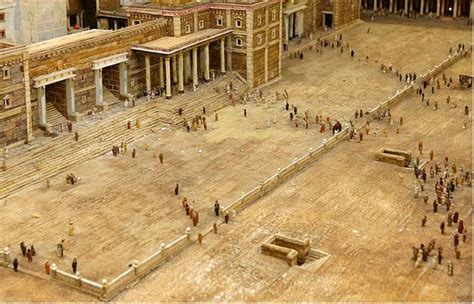
Bedlam of animals, bickering people, fraud/extortion
Outer court Temple
Themes
Authority
Worship
Rich/poor
Shema (listen)
Vocation
Children
Understand the message of Sanctuary
Narrative
Monday morning, the large porch filled with animals, angry bickering priests, sellers of “temple approved” animals, and pilgrims trying to exchange money and buy a sacrifice for Passover. Christ enters the area quietly. It has been 3 years since He drove away the greedy, malevolent priests, merchant-men and money changers. The cowardly swindlers have wondered why they ran from Him then and have vowed they won’t run away if it ever happens again. The lesson 3 years prior was clear-God would not have His house be a den of thieves, yet now, it is worse than before. Christ surveys the scene. The symbol of His sacrifice pre-figured in these animal sacrifices has been totally polluted and the “worshippers”, priests, pilgrims and participants have no appreciation of the Son of Man who blood will be shed in 3 days-the true Passover Lamb. Divinity flashes through His humanity. The Lamb pierces the bedlam with righteous indignation and restrained wrath. The selfish and avarice scatter. As they run, the down-trodden, the children, the sick and the grieved are making their way to the temple to see Jesus. They are welcomed by Christ and comforted, healed and instructed in truth. The mob which ran away now creeps back to see the spectacle. Children sing “Hosanna” The lame, dance. The sick are rejoicing. The knavely priests now point to the joyful people and accuse Christ of defiling the Sanctuary.
What did God intend when the sacrificial system was instituted and what constitutes True worship?
By what authority did Christ drive the abusers of the sacrificial system from the temple?
Why would Christ proceed with being the sacrificial Lamb in 3 days when there was no appreciation of His Life-offering?
As we worship, what are our hearts set on? How do we sing? Will we press forward as the panicking abusers of His grace run from His wrath?
The Triumphal Entry
Matt 21:1-11, 17-19; Mark 11:1-14,20,21; Luke 19:29-44; John 12:12-19
Aired Tuesday, March 3, 2026
Context
Bethany to Jerusalem
Sunday 1st day of the week 4 pm?
March/April Spring 31 AD
500 yrs prior Zech 9:9
Donkey & its colt
Christ & entourage increase as travelers for Passover join the happy throng
Themes
Joy/Sorrow
End/Beginning
Acceptance/rejection
Blessings/curses
Success/failure
Narrative
Life is effervescing, trees are in bloom, the hills are green, the air is clear, the travelers abuzz with talk of the Messiah and sense that something major is about to happen. Tradition has it that Israel’s kings announce their kingship by riding into the capital on a donkey, Jesus knows this act will further the motivation of the religious leaders to destroy Him, but 2 disciples are sent to retrieve a momma donkey and her colt for His procession to Jerusalem from Bethany. Christ sits on the colt and the expectant crowd begins the journey, growing both in number and enthusiasm. Songs and happy shouts echo from the hillsides. As they crest the last hill and look below at Jerusalem, it is expected this would heighten the elated group, but looking closely, it is noted that the face of Jesus saddens and tears slide down the beneficent cheeks of a face that has always championed joy. The grief deepens and now His whole body shudders in overwhelming sobs. The singing and shouts of hosanna cease. Puzzled, the crowd studies the face of Jesus to gain an understanding for this sudden change. Over a 1000 years of painstaking effort to gain trust, loyalty and love have been feigned by the religious leaders. Prophets slain, warnings ignored and invitations blatantly disregarded. Soon the throng will hear the hostility of the religious leaders admonishing the Roman guards to disperse the crowd. Those guards are mystified by the serenity and poise of Jesus and instead the religious leaders are admonished to stand down.
What prevents leaders from responding to overtures of grace and love?
Why does Jesus choose to present Himself in this manner?
Why does He allow Himself to be overcome with such massive grief & what underlies this grief?
What can we do to comfort & gladden His sorrow?
Simon’s Feast
Matt 26:6-13; Mark 14:3-11; Luke 7:36-50; John 11:55-57; 12:1-11
Aired Monday, March 2, 2026
Context
-Bethany
-4th Passover, Sabbath evening, March\April 31AD
-Christ, Martha, Mary, Lazarus, Simon, 12 disciples
-Dinner party in gratitude for Simon being healed of Leprosy
-Growing enthusiasm for a ‘Messiah’ by the people
-Plotting the Death of Christ & Lazarus by the religious leaders
Themes
True Love
Forgiveness
Gratitude
Life & death
Transformation
Who is The Christ?
Narrative
Gentle breeze, warm, arid, tension/buzz- something big is about to happen, travelers, Passover, reclined dinner party, murmur of conversations, Simon and Lazarus on either side of Jesus, engaging conversations & candlelight minimize notice of a young lady who unobtrusively approaches Jesus, the pungent odor of rich perfume interrupts all speech and all eyes turn to the spectacle of a weeping woman, doubled over the Guest of honor. She is anointing Jesus and wiping the excess perfume from His head & feet with her hair. The silence is broken by the murmuring of Judas, “why wasn’t this expensive perfume sold and put into the money bag for the poor?” The dumb-struck now take up Judas’s murmuring and the young lady shrinks back in shame as the group harshly shuns her with scowl & incredulity. Simon judges his Guest of honor as being an imbecile for allowing a known prostitute to touch Him with such affection publicly.
How does Christ handle this emotionally-charged minefield?
Mary
Judas
Simon
12
Can you trust this Jesus?
Can you surrender all to this Jesus?
Can you Love this Jesus?